Amazing Alnif Trilobites: Morocco’s Fossil Capital
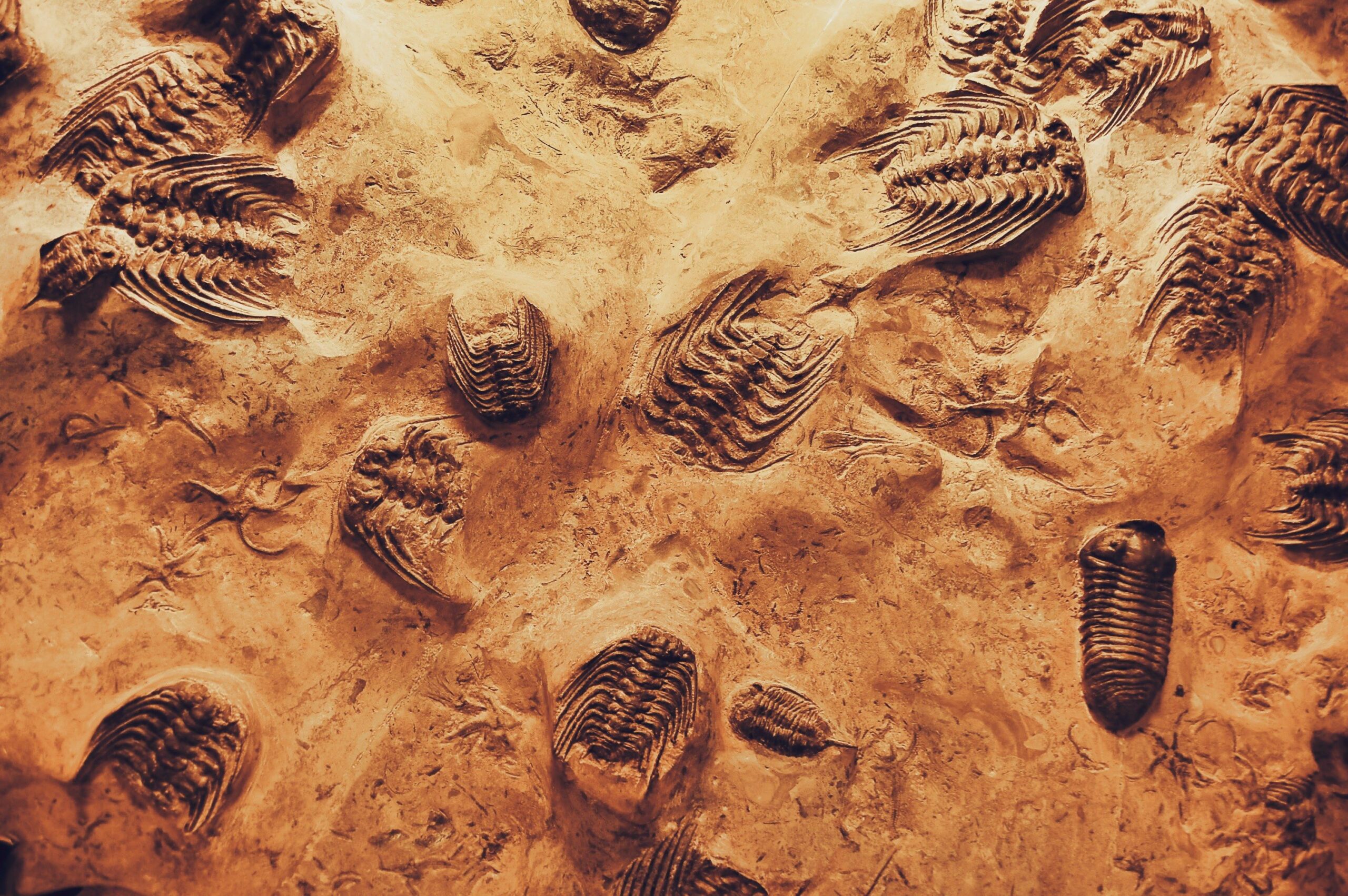
Few places in Morocco can transport you millions of years into the past quite like Alnif. Located in southeastern Morocco, between the dramatic landscapes of the Anti-Atlas and the Sahara, Alnif is internationally known for its extraordinary fossil deposits and is particularly famous for its Alnif trilobites.
Long before the Sahara became a vast desert, much of this region was covered by ancient seas. Marine creatures lived, evolved, and eventually became preserved within layers of sediment. Today, those ancient geological formations provide fossil hunters, paleontologists, collectors, students, and curious travelers with an opportunity to discover evidence of life from hundreds of millions of years ago.
The Alnif trilobites are among the most fascinating fossils found in Morocco. Their remarkable preservation, diversity, and geological significance have made the region an important destination for fossil enthusiasts from around the world.
But Alnif is more than a place to find fossils. A visit combines geological exploration with desert landscapes, local communities, traditional hospitality, and the experience of traveling through one of Morocco’s most remarkable geological regions.
If you are interested in fossils, paleontology, or the ancient history of our planet, Alnif deserves a place on your Morocco itinerary.
Why Are Alnif Trilobites So Famous?
Trilobites are extinct marine arthropods that lived in Earth’s ancient oceans for hundreds of millions of years. They appeared during the Cambrian Period and survived through a long part of the Paleozoic Era before becoming extinct at the end-Permian mass extinction.
Morocco is famous for its exceptional trilobite fossils, and the region around Alnif is one of the country’s most important areas for discovering them.
The geological formations surrounding Alnif contain fossil-bearing layers representing different periods of ancient marine history. AtlasGeoTours’ geological excursions in the area focus particularly on trilobite beds from the Devonian, Ordovician, and Cambrian periods.
This diversity is one reason Alnif trilobites attract collectors and paleontology enthusiasts.
What Makes Trilobites Special?
Trilobites had segmented bodies protected by a hard exoskeleton. Their fossils can preserve recognizable details such as:
- Body segments
- Cephalon, or head region
- Thorax
- Pygidium, or tail section
- Eyes and facial structures in exceptionally preserved specimens
- Surface ornamentation
Their distinctive appearance makes them relatively recognizable compared with many other fossil groups.
More importantly, however, trilobites are scientifically valuable because they provide information about ancient marine ecosystems and the evolution of life.
Alnif: Morocco’s Fossil Capital
Alnif lies within a remarkably rich geological zone in southeastern Morocco. The surrounding region forms part of the broader Tafilalet and Anti-Atlas geological landscape, an area containing numerous fossil and mineral localities.
AtlasGeoTours describes the Tafilalet region as a particularly rich geological area, with fossil-bearing formations extending through the surrounding mountains and desert landscapes.
For fossil enthusiasts, Alnif is especially significant because several geological formations around the region contain trilobites from different periods.
A Landscape Shaped by Ancient Seas
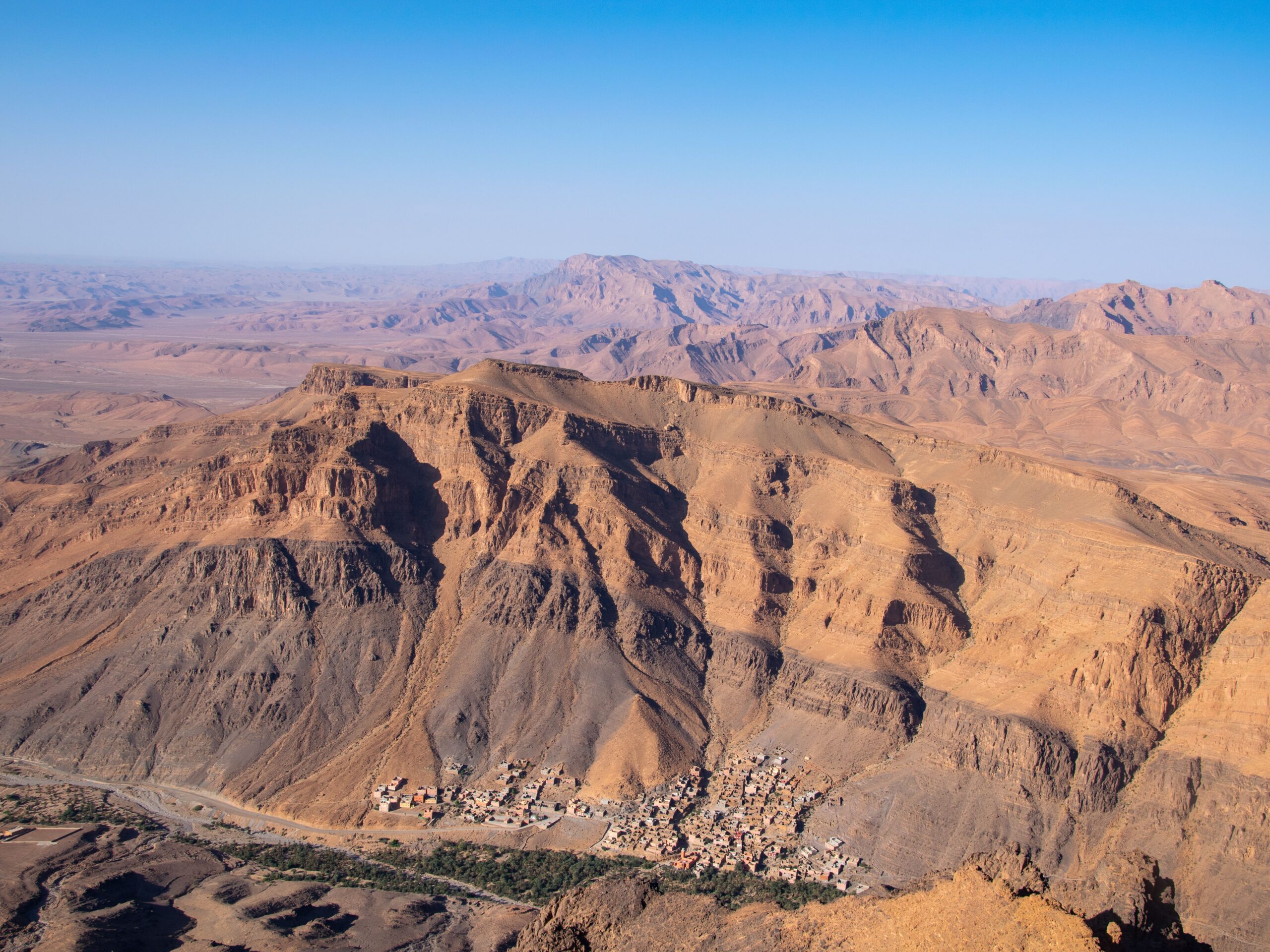
It can be difficult to imagine the Alnif landscape as anything other than desert today.
The dry valleys, rocky plateaus, and rugged mountains are very different from the environments in which trilobites originally lived.
Yet the rocks tell another story.
Millions of years ago, ancient marine environments covered parts of what is now Morocco. Sediments accumulated on the seabed, preserving the remains of marine organisms. Over geological time, tectonic movements, erosion, and changes in climate transformed these environments.
The fossils remained within the rocks.
Today, those exposed formations allow researchers and collectors to investigate traces of these ancient ecosystems.
The Geological History Behind Alnif Trilobites
Understanding the geological history of Alnif makes fossil hunting much more fascinating.
Cambrian Trilobites
The Cambrian Period is especially important in the history of trilobites because these animals became an important component of marine ecosystems during this time.
AtlasGeoTours’ longer fossil-collecting itineraries around Alnif include visits to Cambrian sites known for large trilobites, including specimens associated with groups such as Cambropallas and Paradoxides.
These fossils provide a window into some of the earliest chapters of trilobite evolution.
Ordovician Trilobites
The Ordovician Period followed the Cambrian and witnessed significant diversification of marine life.
The Alnif region and surrounding geological areas contain Ordovician fossil sites with trilobites and other marine organisms.
AtlasGeoTours’ itineraries include Ordovician sites around Jbel Tiskaouine where collectors can encounter calymenids and flexicalymenids.
Devonian Trilobites
The Devonian is another major period represented in southeastern Morocco.
AtlasGeoTours’ Alnif geological day trip focuses on Devonian and Ordovician trilobite beds, while longer expeditions explore additional Devonian localities in and around the region.
The presence of trilobites from several geological periods makes the area particularly interesting for understanding how these ancient arthropods changed through time.
What Types of Trilobites Can You Find Around Alnif?
One of the most exciting aspects of exploring Alnif is the diversity of trilobites found in different geological formations.
The exact species encountered depends on the locality and geological layer being explored.
Paradoxides
Large Cambrian trilobites associated with the genus Paradoxides are among the fossils that make Morocco particularly famous among collectors.
Some Moroccan specimens are notable for their impressive size and preservation.
Phacops
Devonian trilobites belonging to the Phacops group are another important part of Morocco’s fossil heritage.
AtlasGeoTours’ longer geological itineraries include fieldwork involving enrolled Devonian trilobites and Phacops specimens in southeastern Morocco.
Calymenids and Flexicalymenids
Ordovician localities in the region can contain trilobites belonging to groups such as Calymenidae and Flexicalymenidae.
These fossils demonstrate the diversity of trilobite forms that existed in Morocco’s ancient marine environments.
The differences between trilobite groups can also help visitors understand how paleontologists identify fossils based on morphology, geological age, and locality.
How Are Alnif Trilobites Discovered?
Finding a trilobite is not simply a matter of walking through the desert and picking up fossils from the ground.
Successful fossil collecting requires an understanding of geology and the ability to recognize fossil-bearing formations.
Searching Fossil-Bearing Layers
Professional fossil hunters and geological guides know which rock formations are most promising.
During a guided field trip, participants can learn how to identify the correct geological layers and examine exposed rocks for fossil material.
AtlasGeoTours’ Alnif geological day trip is designed around this hands-on approach, allowing participants to explore trilobite beds with expert geological guidance and assistance.
Preparing a Fossil
When a fossil is discovered within rock, it may require careful preparation before its details become fully visible.
Professional preparation can involve removing surrounding matrix and carefully exposing the fossil without damaging its structure.
This is one reason Moroccan fossil workshops and preparation centers are also interesting to visit. They provide insight into how specimens discovered in the field can eventually become research specimens, educational pieces, or carefully prepared collector specimens.
Explore Alnif With AtlasGeoTours
Discover fossil-rich formations, learn from experienced geological guides, and experience the landscapes of southeastern Morocco on a dedicated geological field trip.
What Else Can You Discover Near Alnif?
Although Alnif trilobites are the main attraction for many fossil enthusiasts, the geological richness of southeastern Morocco extends far beyond trilobites.
Depending on the location and itinerary, fossil hunters can encounter other ancient marine organisms and geological specimens.
Orthoceras
Orthoceras fossils are associated with ancient marine environments and are among the recognizable fossils encountered in Morocco.
Ammonites and Goniatites
Other marine fossils found in Morocco include ammonites and goniatites.
These fossils are particularly interesting because their shell structures can preserve evidence of ancient marine environments.
Minerals
Southeastern Morocco is also well known for mineral deposits.
Longer AtlasGeoTours expeditions can combine fossil collecting with visits to mineral localities containing specimens such as vanadinite, quartz, goethite, and other minerals.
This makes the region particularly attractive for travelers interested in both paleontology and mineralogy.
For a broader introduction to Morocco’s fossil landscapes, read : Fossil Hunting in Morocco: Best Places & Tips.
How to Experience Alnif Trilobites With a Geological Guide
Exploring fossil sites with a knowledgeable geological guide can completely change the experience.
Instead of simply looking for interesting rocks, you learn how to interpret the landscape.
A professional guide can help explain:
- Which geological formations to look for
- How fossils are preserved
- How to recognize trilobite structures
- How geological periods differ
- Where fossil-bearing layers occur
- How specimens should be handled
- How the surrounding landscape developed
AtlasGeoTours organizes guided geological and paleontological field trips for individuals, universities, museums, clubs, and collectors. Its Alnif geological day trip specifically focuses on trilobite-bearing formations and hands-on fossil collecting under expert guidance.
Alnif Geological Day Trip
For travelers with limited time, the Alnif Geological Day Trip offers a focused introduction to the region’s fossil-bearing landscapes.
The excursion begins with a morning departure and explores trilobite beds associated with the Devonian and Ordovician periods. The tour is designed as a field-collecting experience rather than simply a sightseeing excursion.
Multi-Day Fossil Expeditions
For serious fossil enthusiasts, a longer expedition allows more time to explore different geological formations.
AtlasGeoTours offers multi-day fossil and mineral collecting itineraries that include Alnif alongside other important geological regions.
For example, its 10 Days Fossils and Minerals Collecting Earth Memory Trip includes dedicated days around Alnif, with visits to Cambrian and Ordovician fossil sites.
Best Time to Explore Alnif Fossils
The best time for a fossil-focused trip to Alnif depends largely on weather conditions and your tolerance for heat.
The region has an arid desert climate, so comfortable field conditions are particularly important when you are spending several hours outdoors.
Spring and Autumn
Spring and autumn can be attractive periods for geological fieldwork because daytime temperatures are generally more manageable than during the hottest summer periods.
These seasons can make walking, examining rock formations, and collecting specimens more comfortable.
Winter
Winter can also be suitable for geological exploration, although mornings and evenings may be cool.
If you are planning an overnight desert expedition, bring layers so that you can adapt to changing temperatures.
Summer
Summer can be extremely hot in southeastern Morocco.
If traveling during this period, discuss the itinerary and field schedule with your tour operator and make sure you are properly prepared for heat and sun exposure.
What Should You Bring for an Alnif Fossil Trip?
A successful fossil expedition requires practical preparation.
Consider bringing:
- Comfortable hiking shoes
- Sun protection
- Hat
- Sunglasses
- Water bottle
- Lightweight long-sleeved clothing
- Field notebook
- Hand lens
- Camera
- Small backpack
- Personal medication
- Sample bags if recommended
If you are joining a guided excursion, check which specialized equipment is already included.
AtlasGeoTours states that its Alnif geological day trip provides fossil-collecting hammers as part of the field equipment, so travelers should confirm the tour inclusions before bringing specialist tools themselves.
For a complete preparation guide, see How to Plan a Geology Tour in Morocco: What to Pack .
Why Alnif Is More Than a Fossil Destination
A geological trip to Alnif is also an opportunity to experience southern Morocco.
The town and surrounding areas are part of a landscape where desert traditions, Amazigh culture, caravan history, and geology come together.
Traveling through the region means moving between:
- Rocky desert plateaus
- Oasis landscapes
- Traditional villages
- Mountain formations
- Ancient fossil beds
- Sahara landscapes
This combination is what makes a field trip particularly memorable.
You are not simply visiting a fossil site. You are traveling through a landscape whose geological story stretches back hundreds of millions of years.
Alnif Trilobites and the Story of Ancient Morocco
Every trilobite discovered around Alnif represents a small part of a much larger geological story.
The fossil itself may be only a few centimeters or several centimeters across, but the history preserved within its surrounding rock reaches back hundreds of millions of years.
When trilobites lived, Morocco looked completely different.
Ancient seas covered landscapes that are now deserts and mountains. Marine ecosystems supported creatures that have no living equivalent today.
Through fossils, geologists and paleontologists can reconstruct fragments of these ancient environments.
This is what makes fossil hunting so compelling: you are not simply finding an old object. You are discovering evidence of an ancient world.
Frequently Asked Questions About Alnif Trilobites
Where can I find Alnif trilobites in Morocco?
The Alnif region in southeastern Morocco is one of the country’s most important areas for trilobite fossils. The surrounding geological formations contain fossil-bearing layers from different periods, including Cambrian, Ordovician, and Devonian formations.
Why is Alnif famous for trilobites?
Alnif is famous because its surrounding geological formations contain diverse and well-known trilobite fossils from several Paleozoic periods. The region has become an important destination for collectors, paleontology enthusiasts, and geological field expeditions.
Can tourists collect trilobites in Alnif?
Guided fossil-collecting experiences are available in the Alnif region. AtlasGeoTours organizes geological field trips where participants can search for and collect fossils under expert guidance. Travelers should always follow their guide’s instructions and applicable local rules regarding collecting and transporting specimens.
What types of trilobites can be found around Alnif?
The exact fossils vary according to the geological locality, but Moroccan sites around Alnif and the wider southeastern region are associated with groups including Paradoxides, Phacops, Calymenids, and Flexicalymenids. AtlasGeoTours’ itineraries include Cambrian, Ordovician, and Devonian trilobite localities.
Can I visit Alnif on a geology tour from Marrakech?
Yes. Alnif can be included in multi-day geological itineraries from Marrakech and other Moroccan cities. AtlasGeoTours offers specialized fossil and mineral collecting expeditions that combine Alnif with other geological sites and desert destinations.
Discover the Amazing Alnif Trilobites
For anyone fascinated by fossils and the history of life on Earth, Alnif trilobites offer an extraordinary reason to explore southeastern Morocco. The region’s ancient fossil-bearing formations provide a rare opportunity to discover marine life preserved from geological periods that existed hundreds of millions of years ago.
But the real adventure goes beyond the fossil itself. Walking through Alnif’s desert landscapes, examining ancient rock formations, learning how fossils are identified, and searching for specimens with an experienced geological guide turns the journey into a genuine field experience.
Would you like to explore Morocco’s ancient fossil beds yourself? What prehistoric fossil would you most like to discover in Alnif? Share your answer in the comments!