Fossil Hunting in Morocco: Complete Guide to Discovering Ancient Frossils in the Dessert
Most people visit the Sahara for its golden dunes, camel treks, and spectacular sunsets. Yet once darkness falls, the desert reveals an entirely different world—one that many travelers never expect.
Far from major cities and artificial light, the Moroccan Sahara offers some of the darkest skies in North Africa. On clear nights, thousands of stars become visible to the naked eye. The Milky Way stretches across the horizon, constellations appear in extraordinary detail, and meteor showers can turn an ordinary evening into an unforgettable experience.
For astronomers, astrophotographers, and curious travelers alike, stargazing in the Sahara Morocco has become one of the country’s most remarkable outdoor experiences.
Not all desert destinations provide the same night sky conditions, however. Factors such as light pollution, elevation, accessibility, and seasonal weather can significantly affect visibility.
This guide ranks Morocco’s best dark-sky locations and explains what makes each one unique.
Why Morocco Is One of the Best Destinations for Fossil Hunting
Morocco is considered one of the world’s top destinations for fossil hunting because of its exceptional geological history and incredible variety of prehistoric discoveries. The country’s deserts and mountains preserve traces of ancient life dating back hundreds of millions of years, making it a true paradise for fossil enthusiasts and geology lovers.
Millions of years ago, large areas of Morocco were covered by prehistoric oceans. These ancient marine environments were home to countless species, including trilobites, ammonites, and other sea creatures. Over time, geological changes buried their remains under layers of rock, creating some of the richest fossil deposits on Earth.
One of the main reasons fossil hunting in Morocco is so popular is the accessibility of its fossil-rich landscapes. In many desert regions, erosion naturally exposes fossils on the surface, allowing visitors to discover remarkable specimens while exploring valleys, mountains, and rocky plateaus.
Morocco is also famous for the diversity of fossils found across different regions:
- Trilobites: Ancient marine arthropods dating back over 250 million years, especially common around Alnif and Erfoud.
- Ammonites: Spiral-shaped marine fossils that provide evidence of prehistoric ocean life.
- Orthoceras: Straight-shelled marine creatures often found in Moroccan limestone.
- Dinosaur fossils: Remains and footprints discovered in several areas of the Atlas Mountains.
- Minerals and crystals: Morocco is also known for exceptional specimens such as quartz, barite, and vanadinite.
Beyond the scientific importance, fossil hunting in Morocco is a unique cultural and adventure experience. Travelers can combine geological exploration with desert landscapes, local villages, traditional hospitality, and unforgettable Sahara adventures.
From the fossil-rich plains near Erfoud to the dramatic mountains of the Anti-Atlas, Morocco offers an extraordinary opportunity to discover pieces of Earth’s ancient history while exploring some of the most spectacular landscapes in North Africa.
Best Places for Fossil Hunting in Morocco
Morocco is home to some of the richest fossil locations in the world, offering incredible opportunities to discover prehistoric remains in diverse landscapes. From the Sahara Desert to the Anti-Atlas Mountains, each region reveals a different chapter of Earth’s history.
Erfoud: The Fossil Capital of Morocco
Located near the edge of the Sahara Desert, Erfoud is one of the most famous fossil destinations in the world. Often known as the “fossil capital of Morocco,” this desert town attracts collectors, researchers, and travelers interested in discovering ancient marine fossils.
The surrounding areas contain rocks from the Devonian period, dating back more than 350–400 million years when Morocco was covered by a prehistoric ocean. These ancient seabeds preserved a wide variety of marine creatures.
During a fossil hunting experience near Erfoud, visitors can discover:
- Trilobites
- Orthoceras fossils
- Ammonites
- Goniatites
- Ancient marine shells
Many fossil workshops in Erfoud also showcase polished fossils transformed into unique artworks, tables, and decorative pieces while explaining the geological history behind each specimen.
Alnif: The Best Region for Trilobite Fossils
Located between Erfoud and Zagora, Alnif is considered one of the best places for finding high-quality trilobite fossils. The surrounding mountains and desert valleys contain some of the most impressive trilobite deposits on the planet.
Fossil hunters visiting Alnif can explore ancient rock formations with the help of local guides who explain how to identify fossil-bearing layers.
The region is especially famous for:
- Well-preserved trilobites
- Marine fossils
- Devonian period specimens
- Ancient shells
For many collectors, Alnif represents one of the most exciting fossil hunting locations in Morocco because discoveries can often be made directly in the desert landscape.
The Anti-Atlas Mountains: A Geological Treasure
The Anti-Atlas Mountains are among Morocco’s most important geological regions. These mountains reveal millions of years of Earth’s evolution through their impressive rock formations.
Areas around Tafraoute, Zagora, and Jbel Saghro contain ancient geological layers that preserve fossils from different periods.
Exploring this region allows travelers to combine fossil hunting with:
- Mountain landscapes
- Desert exploration
- Traditional Berber villages
- Geological discoveries
The dramatic scenery of the Anti-Atlas makes every fossil hunting trip a unique adventure.
The Sahara Desert: Discovering Hidden Prehistoric Secrets
The Moroccan Sahara is not only famous for its dunes and desert landscapes but also for its incredible fossil wealth. Beneath the sandy plains are ancient rocks containing evidence of prehistoric oceans and extinct creatures.
Popular fossil areas near Merzouga, Zagora, and the Kem Kem region have revealed important discoveries, including dinosaur fossils and ancient marine remains.
A fossil hunting adventure in the Sahara offers a rare combination of:
- Desert exploration
- Scientific discovery
- Cultural experiences
- Ancient history
For travelers looking for a different type of Moroccan adventure, searching for fossils in the Sahara is an unforgettable experience.
Discover Morocco’s Ancient Fossils
Explore Morocco’s desert landscapes and uncover millions of years of geological history with our expert-guided fossil and mineral tours.
Types of Fossils You Can Find in Morocco
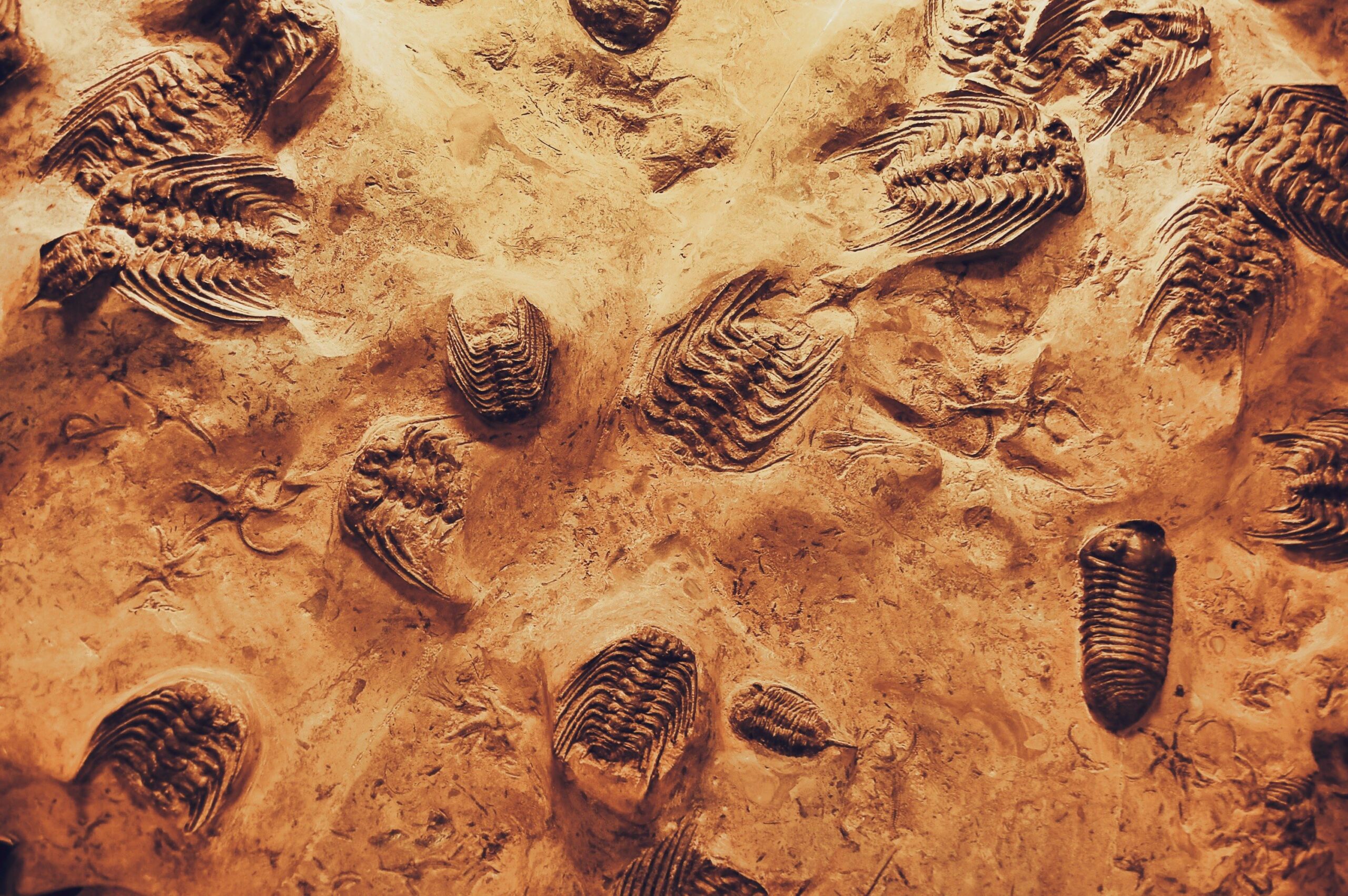
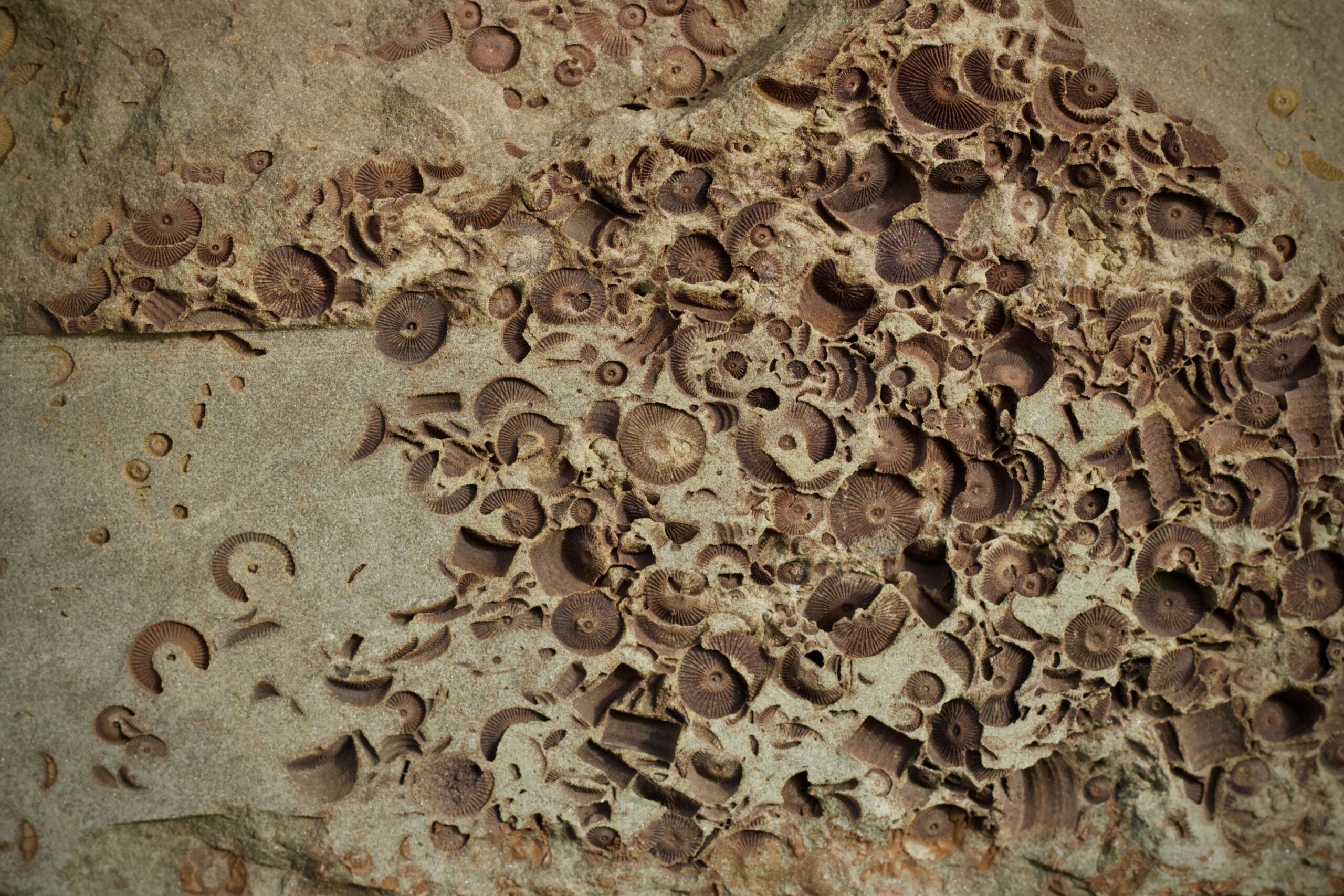
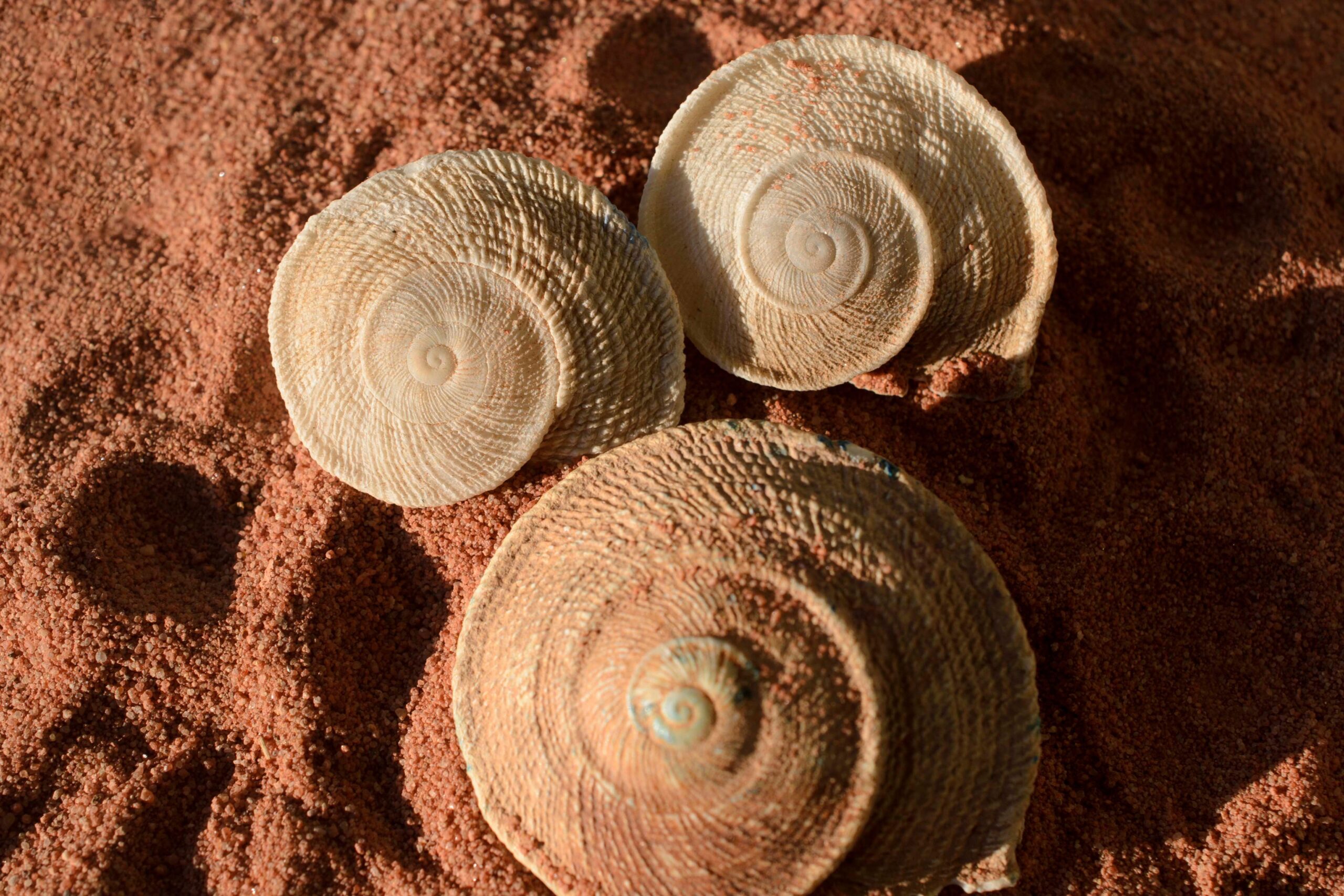
Morocco’s geological diversity makes it one of the best places in the world to discover a wide variety of fossils. From ancient marine creatures that lived hundreds of millions of years ago to dinosaur remains from prehistoric eras, the country offers an incredible window into Earth’s past.
During a fossil hunting in Morocco adventure, visitors can discover fossils from different geological periods, especially from the Paleozoic and Mesozoic eras.
Trilobites: Morocco’s Most Famous Fossils
Trilobites are among the most popular fossils found in Morocco. These extinct marine arthropods lived in ancient oceans more than 250 million years ago.
Moroccan trilobites are highly valued because many specimens are exceptionally preserved, showing detailed features such as:
- Body segments
- Eyes
- Shell structures
- Natural shapes
The regions around Alnif and Erfoud are internationally famous for their trilobite discoveries, attracting collectors and paleontology enthusiasts from around the world.
Ammonites: Ancient Spiral-Shaped Marine Fossils
Ammonites are another iconic fossil found throughout Morocco. These extinct sea creatures belonged to the same group as modern squid and octopuses.
Their beautiful spiral shells make them easily recognizable and highly appreciated by fossil collectors.
Ammonite fossils provide important information about ancient marine environments and help scientists understand how oceans changed over millions of years.
Orthoceras: Fossils From Ancient Oceans
Orthoceras fossils are the remains of ancient marine animals with long, straight shells. They lived hundreds of millions of years ago in prehistoric seas that once covered parts of Morocco.
These fossils are commonly found in Moroccan limestone and are often polished to create:
- Decorative stones
- Tables
- Jewelry
- Geological souvenirs
Their unique patterns make them some of the most recognizable Moroccan fossils.
Goniatites and Other Marine Fossils
Morocco is also famous for goniatites, ancient relatives of ammonites that lived during the Paleozoic Era.
Other marine fossils commonly discovered include:
- Brachiopods
- Sea lilies (crinoids)
- Coral fossils
- Ancient shells
These discoveries reveal the rich biodiversity of Morocco’s prehistoric oceans.
Dinosaur Fossils and Prehistoric Remains
Although Morocco is best known for marine fossils, it also contains important dinosaur discoveries.
The Kem Kem region in southeastern Morocco is famous among paleontologists for dinosaur remains dating back approximately 100 million years.
Discoveries from this area include fossils linked to:
- Large predatory dinosaurs
- Crocodile relatives
- Ancient fish species
These findings have helped researchers better understand prehistoric ecosystems that existed in North Africa.
Minerals and Fossil-Related Discoveries
In addition to fossils, Morocco is famous for its mineral wealth. Many fossil hunting trips also include searching for unique geological specimens such as:
- Quartz crystals
- Vanadinite
- Barite
- Fluorite
- Azurite
This combination of fossils and minerals makes Morocco an exceptional destination for anyone interested in Earth sciences and natural history.
Whether you are searching for a perfectly preserved trilobite or simply exploring ancient desert landscapes, Morocco offers countless opportunities to discover evidence of life that existed millions of years ago.
How to Plan a Fossil Hunting Trip in Morocco
Planning a successful fossil hunting in Morocco adventure requires choosing the right destination, preparing the necessary equipment, and understanding the best conditions for exploring fossil-rich areas. Whether you are a beginner or an experienced collector, proper preparation will make your experience more enjoyable and rewarding.
Choose the Best Time for Fossil Hunting in Morocco
Morocco can be visited throughout the year, but the best seasons for fossil hunting are generally spring (March to May) and autumn (September to November).
During these months, temperatures in desert regions such as Erfoud, Alnif, and Zagora are more comfortable for outdoor exploration. The weather is ideal for walking through rocky landscapes and searching for fossils without extreme summer heat.
Summer can be very hot, especially in the Sahara Desert, while winter nights in desert areas can become surprisingly cold. A professional guided tour helps visitors choose the best locations and organize activities according to weather conditions.
Choose the Right Fossil Hunting Location
The best destination depends on what type of fossils you want to discover:
For trilobites and marine fossils:
- Erfoud
- Alnif
- Anti-Atlas Mountains
For dinosaur discoveries:
- Kem Kem Basin
- Southeastern Morocco
For combining fossils with desert adventure:
- Merzouga
- Zagora
- Jbel Saghro region
Many travelers choose multi-day fossil tours that combine geological exploration with Sahara experiences, including desert camps, mountain landscapes, and visits to local fossil workshops.
Travel With a Local Geological Guide
Although some fossil areas are accessible, joining a professional guide is highly recommended. Local experts have valuable knowledge about:
- The best fossil locations
- Geological formations
- Safe exploration routes
- Fossil identification techniques
- Local regulations
A knowledgeable guide can transform a simple desert walk into an educational journey through millions of years of Earth’s history.
Essential Equipment for Fossil Hunting
A successful fossil hunting trip does not require expensive equipment, especially for beginners. However, some basic items can make the experience easier:
Recommended equipment includes:
- Geological hammer (if permitted and appropriate)
- Safety glasses
- Small brush for cleaning specimens
- Magnifying glass
- Gloves
- Backpack
- Water bottle
- Sun protection
- Comfortable hiking shoes
- Camera for documenting discoveries
Always respect local guidelines and avoid damaging important geological sites.
What Should You Wear?
Fossil hunting often involves walking through rocky deserts and mountain areas, so comfortable clothing is essential.
Recommended clothing:
- Lightweight long-sleeve shirts
- Comfortable hiking pants
- Hat or scarf for sun protection
- Sturdy walking shoes
- Warm layers for desert evenings
The Moroccan desert environment can change quickly, with hot days and cool nights, so being prepared is important.
Combine Fossil Hunting With Other Moroccan Adventures
One of the biggest advantages of fossil hunting in Morocco is the possibility of combining the activity with other unforgettable experiences.
A fossil exploration tour can include:
- Exploring the Sahara Desert
- Camel trekking in Merzouga
- Visiting Berber villages
- Camping under the stars
- Discovering ancient kasbahs
- Exploring the Atlas Mountains
This makes fossil hunting not only an educational experience but also a complete Moroccan adventure.
FAQ's About Fossil Hunting in Morocco
1. Is Morocco a good destination for fossil hunting?
Yes, Morocco is one of the best destinations in the world for fossil hunting. The country is famous for its rich geological history and contains a wide variety of fossils, including trilobites, ammonites, marine fossils, and dinosaur remains. Regions such as Erfoud, Alnif, and the Anti-Atlas Mountains are especially popular among fossil enthusiasts.
2. What fossils can you find in Morocco?
During a fossil hunting adventure in Morocco, you can discover many types of fossils, including trilobites, orthoceras, ammonites, goniatites, brachiopods, and other ancient marine creatures. Some areas also contain dinosaur fossils and impressive mineral specimens.
3. Where is the best place for fossil hunting in Morocco?
The best fossil hunting locations in Morocco include Erfoud, Alnif, the Anti-Atlas Mountains, and the Kem Kem region. Erfoud and Alnif are particularly famous for their high-quality trilobite fossils and ancient marine discoveries.
4. Do I need experience to go fossil hunting in Morocco?
No, beginners can enjoy fossil hunting in Morocco. Professional local guides provide explanations about geology, help identify fossils, and guide visitors to the best locations. It is a suitable activity for families, travelers, and geology enthusiasts of all experience levels.
5. What should I bring for a fossil hunting trip in Morocco?
You should bring comfortable hiking shoes, sun protection, water, a hat, a camera, and a small backpack. If you plan to collect fossils, basic tools and storage materials may be useful, depending on local regulations and your tour provider’s recommendations.
Fossil Hunting in Morocco offers a unique journey into Earth’s ancient past. From the deserts of Erfoud and Alnif to the Anti-Atlas Mountains, travelers can discover incredible fossils, minerals, and geological wonders dating back millions of years.
Whether you are a collector or an adventure lover, exploring Morocco’s fossil-rich landscapes is an unforgettable experience that combines discovery, nature, and history. Join a fossil hunting tour and uncover the hidden stories preserved in Morocco’s ancient rocks.