How to Plan a Geology Tour in Morocco: Packing Guide
Planning a geology tour in Morocco is an exciting way to discover the country’s ancient landscapes, fossil-rich formations, minerals, rocks, and geological history. From the Atlas Mountains to the Sahara Desert, Morocco offers an extraordinary variety of environments for geology enthusiasts, fossil collectors, students, researchers, and curious travelers.
But preparing for a geological field trip requires more than booking transportation and accommodation. Long days outdoors, rocky terrain, intense sunlight, desert dust, and changing temperatures all mean that having the right equipment can make a major difference to your experience.
Whether you are planning a short fossil-hunting excursion or a multi-day geological expedition, knowing what to pack will help you stay comfortable, organized, and ready for exploration.
In this guide, we explain how to plan a geology tour in Morocco, what clothing and equipment to bring, what to pack for fossil collecting, and how to prepare for fieldwork in Morocco’s mountains and desert regions.
Why Plan a Geology Tour in Morocco?
Morocco is an exceptional destination for geological exploration because of the diversity of its landscapes and geological formations.
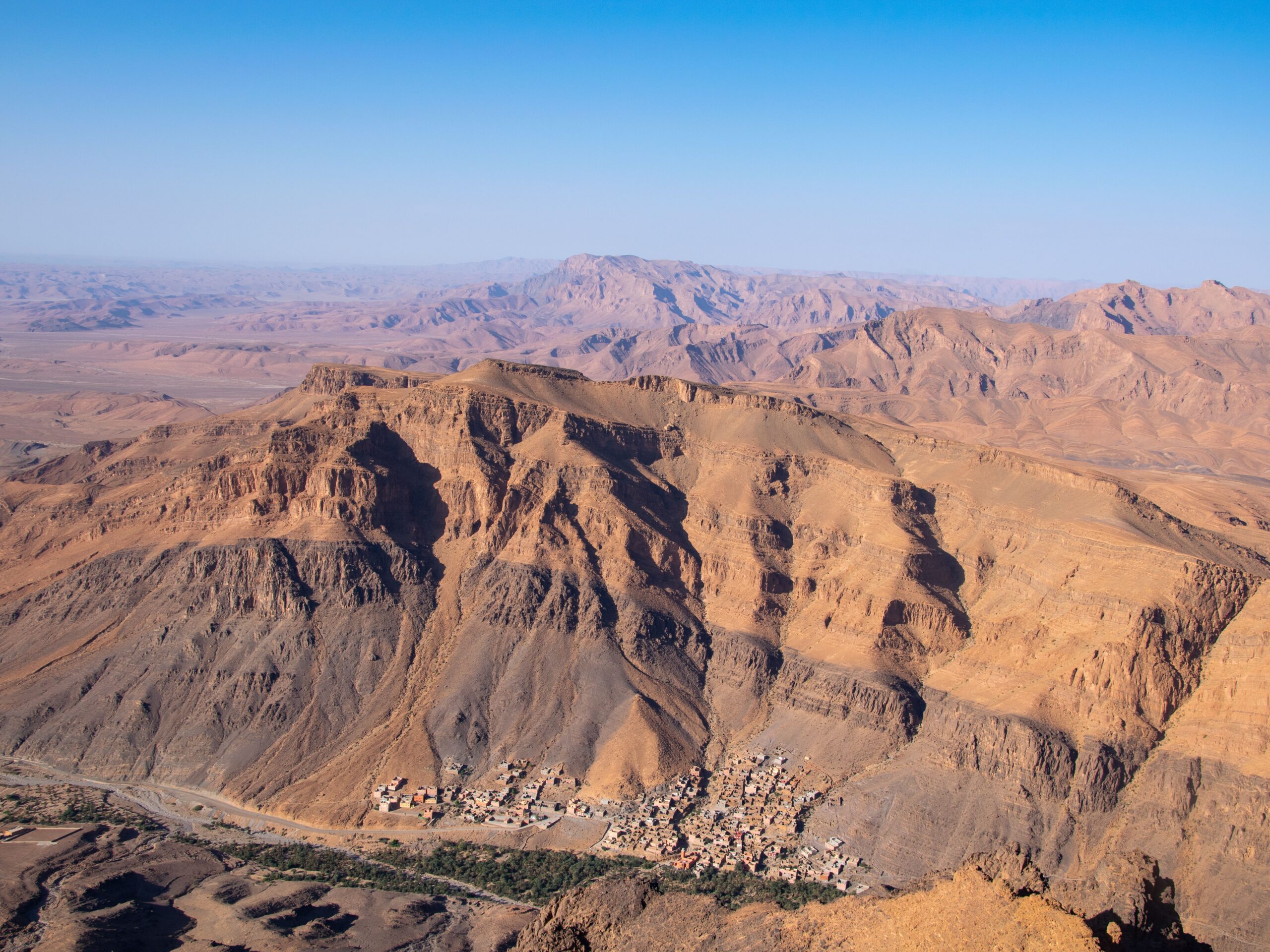
The country contains ancient sedimentary formations, fossil-rich areas, mineral deposits, mountain ranges, desert plateaus, old mines, and geological sites that preserve evidence of environments that existed millions of years ago.
The Tafilalet region in southeastern Morocco is particularly important for geological and paleontological exploration. Around Alnif and the surrounding areas, travelers can explore fossil beds associated with different geological periods and search for fossils under expert guidance.
AtlasGeoTours specializes in guided geological and paleontological field trips across Moroccan mountain and desert regions, including fossil, rock, and mineral collecting experiences.
For travelers interested in a more specialized expedition, you can explore the Geo Tours: Fossil, Rock and Mineral Collection offered by AtlasGeoTours.
These experiences are designed to make geological exploration hands-on, allowing travelers to discover Morocco’s geological heritage while learning from experienced guides.
What to Wear on a Geology Tour in Morocco
Choosing the right clothing is one of the first steps when preparing for a geology tour.
You may spend several hours walking across rocky terrain, desert plateaus, valleys, or mountain landscapes, so your clothing should prioritize comfort, protection, and flexibility.
Lightweight and Breathable Clothing
Pack lightweight clothing that allows you to move comfortably during long field days.
Long-sleeved shirts and lightweight trousers are particularly useful because they provide protection from strong sunlight while also helping protect your skin from dust, rocks, and vegetation.
Neutral, practical clothing is usually preferable to delicate or fashionable outfits that may not be suitable for outdoor exploration.
Bring Layers
Morocco’s temperatures can change considerably between day and night, especially in desert regions.
A lightweight fleece, sweater, or jacket is useful for early mornings and evenings. This is especially important if your geological expedition includes overnight stays in the Sahara.
If your trip combines geology with astronomy, you may spend several hours outside after sunset. AtlasGeoTours offers combined astronomy and geology field trips that include desert evenings, fossil exploration, and observations of the night sky.
You can discover the 5 Days Astronomy and Geology Field Trip from Marrakech to Fes if you want to combine geological exploration with astronomy.
Protect Yourself From the Sun
Sun protection should be considered essential field equipment.
Pack:
- A wide-brimmed hat or cap
- Sunglasses
- High-SPF sunscreen
- Lightweight long-sleeved clothing
- Lip balm with sun protection
Open desert and rocky landscapes can provide very little natural shade, so preparing for direct sun exposure is important.
Choose the Right Footwear
Good footwear can make your geology tour much more comfortable.
Fieldwork may involve walking over uneven ground, loose stones, rocky surfaces, and desert terrain. Choose footwear that offers stability and protection.
Hiking Boots
A good pair of hiking boots should provide:
- Strong traction
- Comfortable soles
- Ankle support
- Protection from rough terrain
- Good durability
Avoid wearing brand-new boots during your trip. Break them in before arriving in Morocco to reduce the risk of blisters.
Bring Extra Socks
Extra socks take up very little space but can be extremely useful during long field days.
Keep at least one spare pair in your day backpack, especially if you are traveling through dusty or sandy environments.
Essential Geology Equipment to Pack
Your equipment requirements depend on the type of geology tour you are joining.
A casual educational trip requires less equipment than a specialized fossil or mineral-collecting expedition.
Geological Hand Lens
A 10× hand lens is one of the most useful tools for geological fieldwork.
It can help you examine:
- Mineral crystals
- Rock textures
- Fossil details
- Sedimentary structures
- Grain composition
It is small, lightweight, and easy to carry in your field backpack.
Field Notebook
Bring a durable notebook and pencil to record observations during the trip.
You can document:
- Locations
- Rock types
- Fossil discoveries
- Geological formations
- Questions
- Interesting observations
Recording information at the site is much more useful than trying to remember everything later.
Sample Bags and Labels
If your itinerary includes collecting, bring small bags or containers for specimens.
You should also bring labels and a permanent marker so that each specimen can be associated with its location and other relevant information.
Proper documentation helps you remember where a specimen came from and what geological context it was found in.
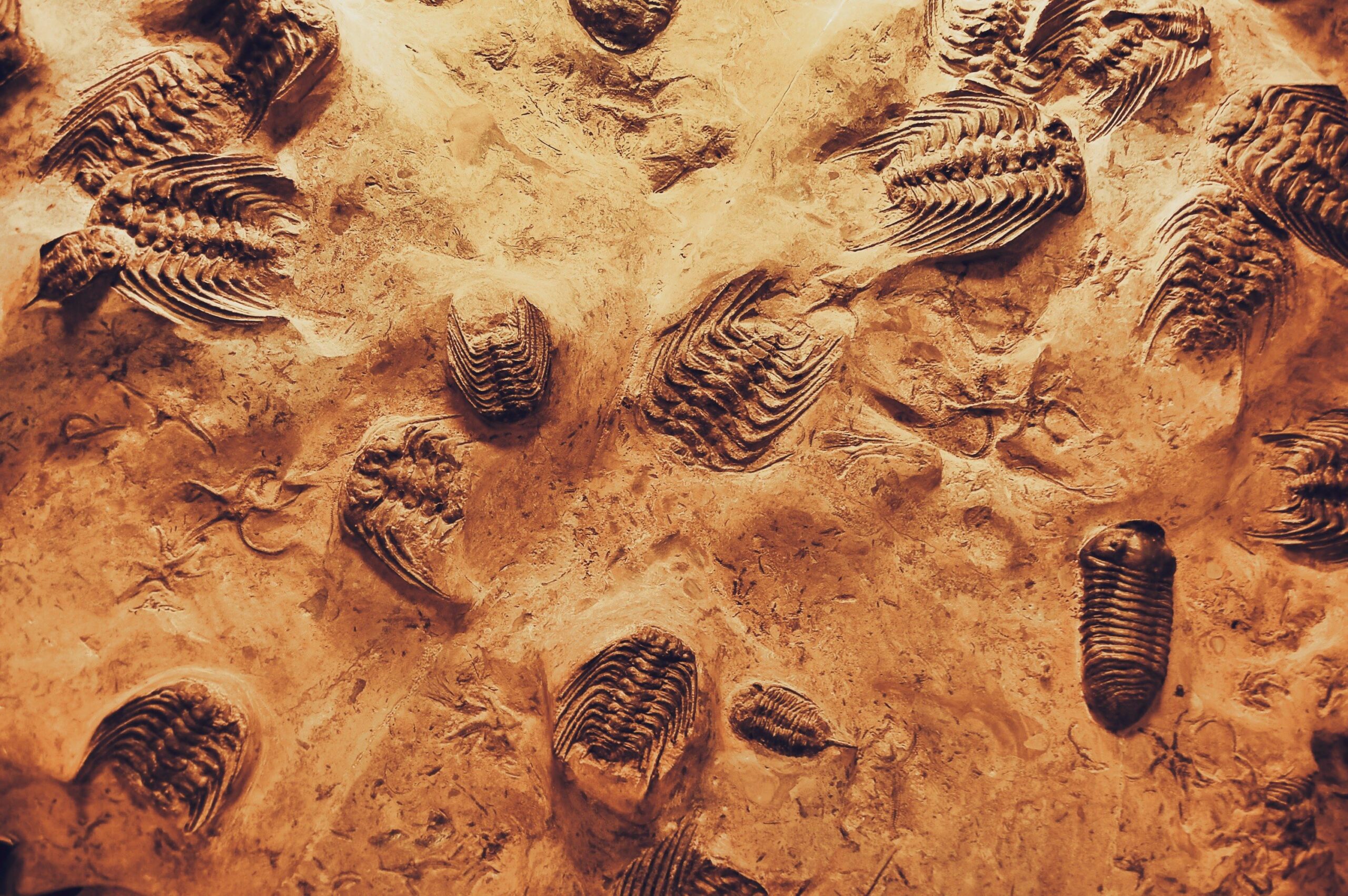
Discover Morocco’s Ancient Fossils
Explore Morocco’s desert landscapes and uncover millions of years of geological history with our expert-guided fossil and mineral tours.
Do You Need a Geological Hammer?
A geological hammer can be useful for specialized fossil and geological fieldwork, but you should always check with your tour operator before bringing one.
Some AtlasGeoTours experiences provide collecting hammers as part of the field equipment. For example, the Alnif Geological Day Trip includes a 4×4 vehicle, driver, expert geological guide, fossil-collecting hammers, and a field picnic.
The Alnif region is particularly interesting for fossil enthusiasts, with guided visits to fossil beds and opportunities to search for specimens from ancient geological periods.
This means you do not necessarily need to purchase or transport specialized geological equipment from home.
Before your trip, simply ask what equipment is included in your specific itinerary.
What to Pack for Fossil and Mineral Collecting
If your geology tour includes fossil or mineral collecting, prepare a small collection kit.
Useful Collection Supplies
Depending on the expedition, consider packing:
- Sample bags
- Small containers
- Bubble wrap
- Newspaper or protective paper
- Labels
- Permanent marker
- Small ruler
- Hand lens
- Field notebook
Fragile specimens should be protected carefully during transportation.
Don’t Collect More Than You Can Carry
One of the easiest mistakes during a fossil-hunting trip is collecting too many specimens.
Rocks and fossils become heavy quickly, particularly after several days of fieldwork.
Instead, focus on specimens that are:
- Interesting
- Representative
- In good condition
- Appropriate for your collection
- Practical to transport
AtlasGeoTours offers specialized fossil and mineral collecting tours in Morocco for travelers who want a deeper geological experience.
Personal Safety and First-Aid Essentials
A small personal first-aid kit is recommended for outdoor geological exploration.
Consider packing:
- Adhesive bandages
- Blister treatment
- Antiseptic wipes
- Gauze
- Tweezers
- Personal medication
- Hand sanitizer
You should also carry enough drinking water for the day’s conditions and follow your guide’s recommendations regarding hydration.
Stay Hydrated
Fieldwork can be physically demanding, especially in warm desert conditions.
Carry a reusable water bottle or hydration pack and make sure you have enough water before leaving for remote geological sites.
Your guide will be able to advise you on the appropriate amount depending on the season, itinerary, and field conditions.
Technology to Bring on a Geology Tour
Technology can be extremely useful during geological fieldwork.
Smartphone
A smartphone can function as:
- Camera
- GPS
- Compass
- Field notebook
- Map
- Communication device
Download important maps before entering remote areas where mobile coverage may be limited.
Power Bank
GPS, photography, and navigation can quickly consume your phone battery.
A reliable power bank is therefore one of the most practical items to pack.
Camera
Morocco’s geological landscapes offer excellent photography opportunities.
When photographing a fossil or rock specimen, try to capture both the specimen and its geological surroundings.
You can also place a ruler or another scale reference next to the specimen to show its approximate size.
What to Pack for Desert Geology Tours
If your geology tour takes you into the Sahara, your packing list should account for desert conditions.
Desert Essentials
Bring:
- Hat or cap
- Sunglasses
- Sunscreen
- Lightweight clothing
- Warm evening layer
- Comfortable hiking boots
- Water bottle
- Headlamp
- Power bank
- Small backpack
- Dust protection
A lightweight scarf can also be useful when there is wind or blowing dust.
Prepare for Temperature Changes
Desert environments can be warm during the day and considerably cooler after sunset.
This is particularly important if your itinerary includes overnight camping or astronomy activities.
AtlasGeoTours’ combined astronomy and geology field trips include fossil exploration, desert landscapes, astronomy presentations, and nighttime sky observations, making a warm evening layer especially useful.
Documents and Practical Items
Before leaving for your geology tour in Morocco, organize your essential documents.
Keep copies of:
- Passport
- Travel insurance
- Tour confirmation
- Accommodation details
- Emergency contacts
- Important medical information
You should also carry a bank card and some cash for personal expenses.
Keep digital copies of important documents on your phone or in secure cloud storage.
How to Pack Light for a Geology Tour
You do not need to bring your entire suitcase into the field.
Separate your belongings into two categories.
Field Backpack
Your daily backpack should contain:
- Water
- Sunscreen
- Hat
- Sunglasses
- Notebook
- Hand lens
- Camera
- Phone
- Power bank
- Sample bags
- Personal medication
- Small first-aid kit
Main Luggage
Keep your main luggage in your accommodation or vehicle when possible.
Depending on the itinerary, you can leave clothing, toiletries, and other non-essential items in your main luggage and carry only the equipment you need for the field.
AtlasGeoTours’ geological day trips use 4×4 transportation with a driver and expert geological guide, making it possible to travel between geological locations while keeping your daily backpack relatively light.
You can also explore the North Erg Chebbi Geological Day Trip for an example of a guided desert geology experience.
What Not to Pack
Knowing what to leave at home can make your trip easier.
Avoid unnecessary heavy equipment unless your guide or research project specifically requires it.
You generally do not need:
- Excessive clothing
- Large bags during field excursions
- Fragile valuables
- Expensive jewelry
- Unnecessary electronics
- Specialized equipment already provided by the tour
Before traveling, check exactly what is included in your chosen geology tour.
This can save you from carrying equipment that you do not need.
How to Prepare Before Your Morocco Geology Tour
Packing correctly is only one part of preparing for a geological adventure.
Research the Region
Learn about the geological environment you are visiting.
Understanding the geological period, rock formations, or fossils associated with an area can make the experience much more meaningful.
Understand Your Itinerary
Different geology tours have different objectives.
Some focus on fossils and paleontology, while others concentrate on minerals, rocks, old mines, desert geology, or combined astronomy and geology experiences.
AtlasGeoTours offers specialized geological trips across Morocco, including fossil and mineral collecting expeditions in different regions.
The South Erg Chebbi Geological Day Trip is another example, combining desert exploration with visits to geological formations, old mines, and fossil-bearing beds.
Ask Your Guide What Is Included
This is particularly important when preparing specialized equipment.
Ask whether the tour provides:
- Geological hammers
- Transportation
- Field meals
- Guides
- Collection equipment
- Accommodation
- Other specialist equipment
For example, AtlasGeoTours’ Alnif geological day trip includes transportation by 4×4, an expert geological guide, collecting hammers, and a field picnic.
Morocco Geology Tour Packing Checklist
Clothing
- Lightweight shirts
- Long trousers
- Fleece or jacket
- Comfortable socks
- Hat or cap
- Warm evening layer
Footwear
- Hiking boots
- Comfortable evening shoes
- Spare socks
Geology Equipment
- Hand lens
- Field notebook
- Pencil
- Sample bags
- Labels
- Permanent marker
- Small ruler
- Geological tools if required
Personal Equipment
- Sunglasses
- Sunscreen
- Water bottle
- Headlamp
- First-aid kit
- Personal medication
- Hand sanitizer
Electronics
- Smartphone
- Camera
- Power bank
- Charging cables
- Offline maps
Documents
- Passport
- Travel insurance
- Tour confirmation
- Emergency contacts
- Bank card
- Some cash
Frequently Asked Questions About Geology Tours in Morocco
What should I pack for a geology tour in Morocco?
Pack sturdy hiking footwear, lightweight protective clothing, sun protection, water, a field notebook, hand lens, sample bags, personal medication, and electronic essentials. For fossil-collecting trips, check which specialist tools are already provided by your tour operator.
Do I need a geological hammer for fossil hunting in Morocco?
Not always. Some AtlasGeoTours field trips provide geological hammers for fossil collecting. The Alnif Geological Day Trip includes hammers among its listed equipment, so travelers should check the inclusions of their specific tour before purchasing or transporting specialized tools.
What footwear is best for geology fieldwork in Morocco?
Sturdy hiking boots with good traction and ankle support are generally a good choice for rocky and uneven terrain. Choose comfortable footwear that has already been broken in before your trip.
Can beginners join a geology tour in Morocco?
Yes. You do not need to be a professional geologist to enjoy a guided geological experience. Expert guidance can help beginners understand the rocks, fossils, minerals, and landscapes they encounter during the expedition.
Where can I go on a geology tour in Morocco?
Morocco offers geological experiences across several regions, including the Atlas Mountains, Alnif, Tafilalet, Erg Chebbi, and other fossil- and mineral-rich areas. AtlasGeoTours offers dedicated one-day geological trips as well as longer fossil and mineral collecting expeditions.
Plan Your Geology Adventure in Morocco
A well-prepared geology tour can turn a trip to Morocco into a fascinating journey through Earth’s history. With the right footwear, clothing, sun protection, field notebook, basic equipment, and a good understanding of your itinerary, you can focus on what matters most: discovering Morocco’s extraordinary geological landscapes.
From fossil-rich beds around Alnif to the ancient formations of the Sahara and Atlas Mountains, Morocco offers remarkable opportunities for travelers interested in geology and paleontology.
AtlasGeoTours organizes guided geological and paleontological field trips for travelers who want to explore these landscapes with expert assistance. Whether you are interested in fossils, minerals, rocks, or a combination of geology and astronomy, choosing the right itinerary and preparing properly can make your experience even more rewarding.