
Stargazing in the Sahara: Morocco’s Dark Sky Spots Ranked
Most people visit the Sahara for its golden dunes, camel treks, and spectacular sunsets. Yet once darkness falls, the desert reveals an entirely different world—one that many travelers never expect.
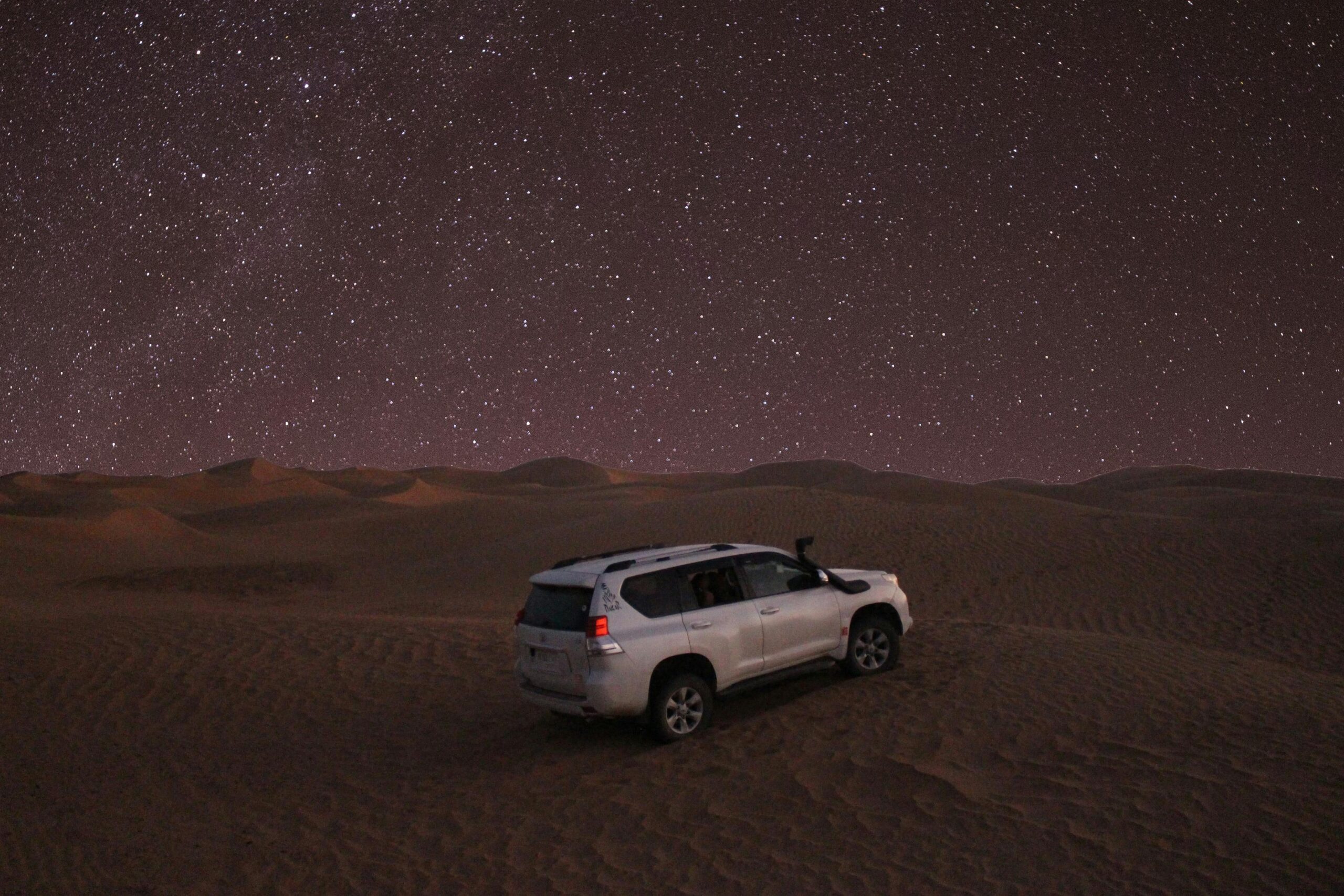
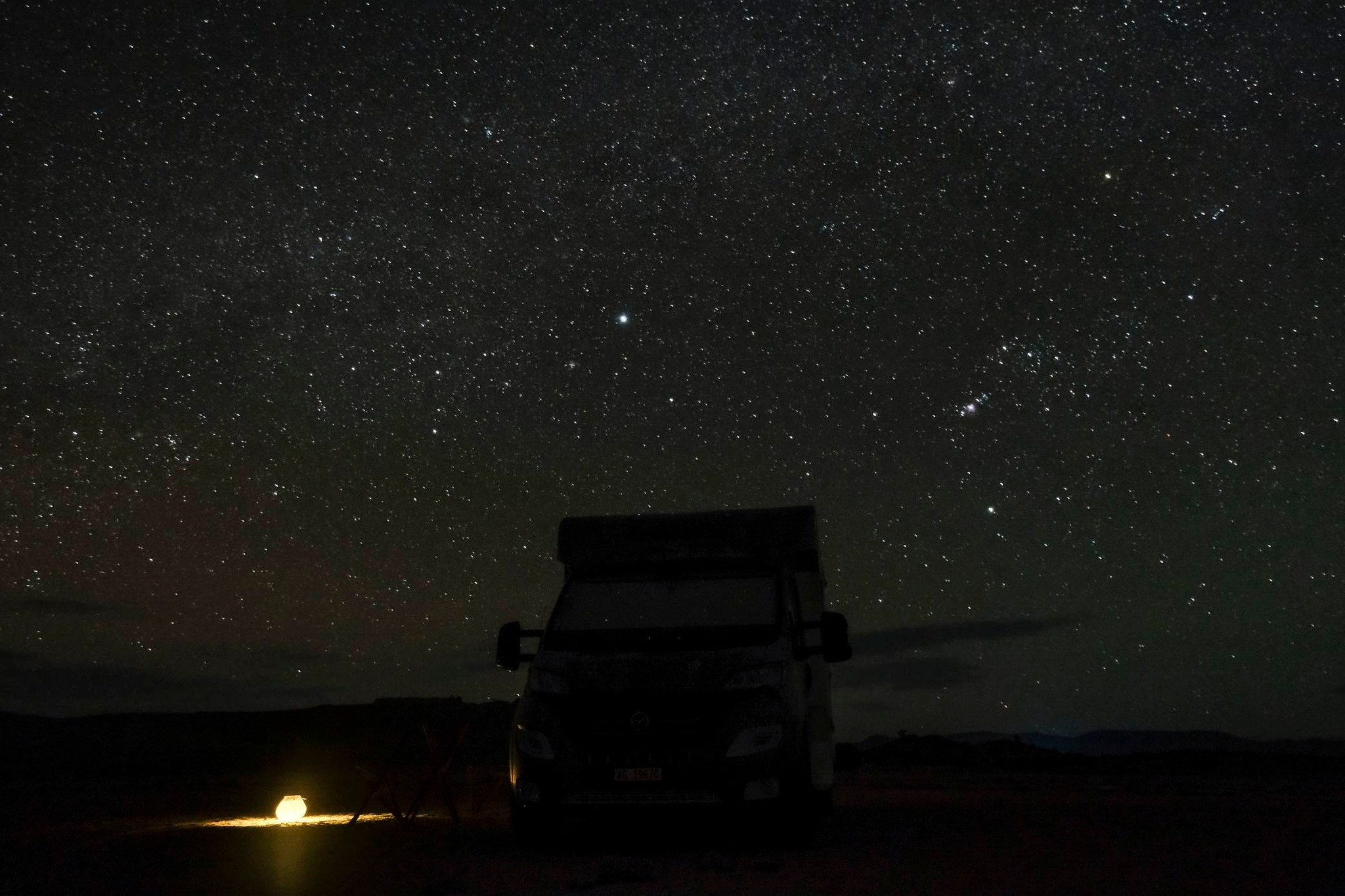
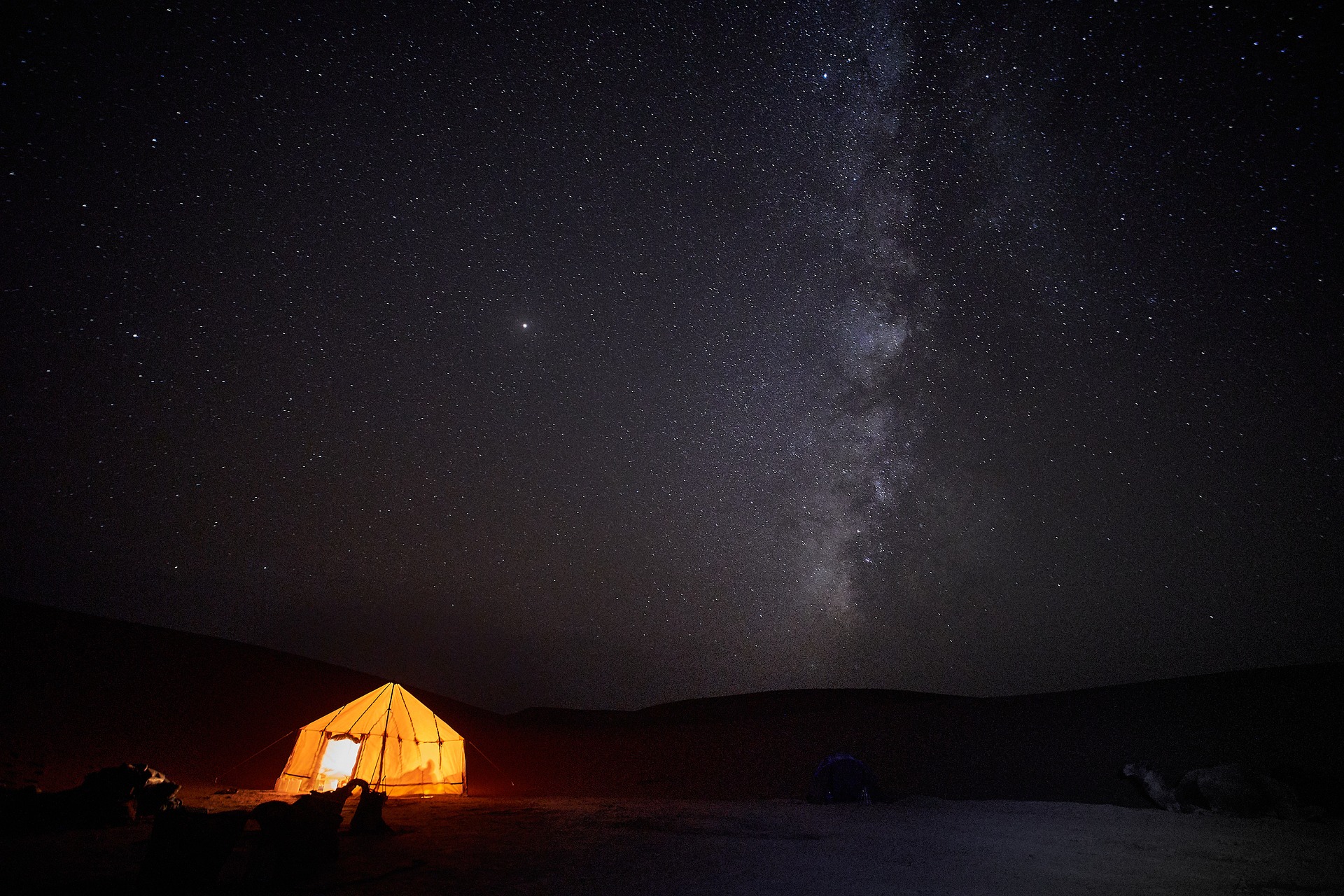
Far from major cities and artificial light, the Moroccan Sahara offers some of the darkest skies in North Africa. On clear nights, thousands of stars become visible to the naked eye. The Milky Way stretches across the horizon, constellations appear in extraordinary detail, and meteor showers can turn an ordinary evening into an unforgettable experience.
For astronomers, astrophotographers, and curious travelers alike, stargazing in the Sahara Morocco has become one of the country’s most remarkable outdoor experiences.
Not all desert destinations provide the same night sky conditions, however. Factors such as light pollution, elevation, accessibility, and seasonal weather can significantly affect visibility.
This guide ranks Morocco’s best dark-sky locations and explains what makes each one unique.
Why the Sahara Is One of the Best Places for Stargazing
Several factors combine to make the Moroccan Sahara exceptionally well suited for astronomy.
Minimal Light Pollution
The most important factor is distance from major urban centers. Large areas of the Sahara remain free from the artificial lighting that obscures stars in many parts of the world.
Dry Climate
Desert environments typically experience low humidity levels, reducing atmospheric distortion and improving visibility.
Clear Skies
Many regions of southern Morocco enjoy a high number of cloud-free nights throughout the year.
Vast Open Horizons
The flat and open landscapes of the Sahara allow unobstructed views of the sky from horizon to horizon.
Together, these conditions create an environment where celestial objects appear brighter and more detailed than they do in heavily populated areas.
#1 M’Hamid El Ghizlane: Morocco’s Ultimate Dark Sky Destination
For serious stargazers, M’Hamid often ranks as Morocco’s finest astronomy location.
Situated near the edge of the vast Erg Chigaga dunes, this remote desert settlement lies far from significant sources of light pollution.
Why It Ranks First
- Extremely remote location
- Very low artificial light
- Vast open desert landscapes
- Excellent Milky Way visibility
- Ideal astrophotography conditions
Unlike more developed tourist destinations, M’Hamid retains a strong sense of isolation. Once travelers move deeper into the Erg Chigaga region, the night sky becomes remarkably dark.
On moonless nights, the Milky Way can appear so bright that it casts faint shadows across the sand.
For those seeking the purest stargazing Sahara Morocco experience, M’Hamid remains difficult to beat.
#2 Erg Chigaga: The Wild Sahara Experience
If M’Hamid serves as the gateway, Erg Chigaga is the destination itself.
Located approximately 60 kilometers from the nearest paved road, Erg Chigaga contains some of Morocco’s most remote dune landscapes.
What Makes It Special
- Almost no light pollution
- Exceptional astronomical visibility
- Remote wilderness atmosphere
- Perfect conditions for night photography
Because access requires off-road travel, visitor numbers remain relatively low compared to other desert destinations.
The result is a sky that feels almost untouched by modern civilization.
Many astronomy enthusiasts consider Erg Chigaga one of the finest stargazing locations anywhere in North Africa.
#3 Merzouga and Erg Chebbi
Merzouga is Morocco’s most famous desert destination and one of the country’s most accessible places for observing the night sky.
While slightly more developed than M’Hamid or Erg Chigaga, the surrounding dunes of Erg Chebbi still offer impressive astronomical conditions.
Advantages
- Easy access
- Numerous desert camps
- Excellent tourism infrastructure
- Strong visibility during clear nights
Limitations
- More visitors
- Slightly higher light pollution near settlements
- More vehicle activity
Despite these factors, Merzouga remains one of the best choices for travelers seeking a balance between comfort and astronomy.
Many luxury desert camps organize evening stargazing experiences, making it an excellent introduction to desert astronomy.
#4 Zagora Desert Region
Often called the “gateway to the desert,” Zagora occupies a unique position between urban Morocco and the deeper Sahara.
Although it does not match the darkness levels of Erg Chigaga or M’Hamid, it still offers rewarding night-sky viewing opportunities.
Strengths
- Easier accessibility
- Good desert scenery
- Suitable for shorter itineraries
Weaknesses
- More nearby settlements
- Slightly increased light pollution
For travelers with limited time, Zagora can provide a convenient introduction to stargazing in southern Morocco.
#5 Agafay Desert
Technically, Agafay is not part of the Sahara.
Located just outside Marrakech, it has become increasingly popular among visitors seeking desert experiences without long travel times.
Advantages
- Close to Marrakech
- Easy access
- Popular luxury camps
Drawbacks
- Significant light pollution compared to Sahara locations
- Less dramatic astronomical conditions
While Agafay offers attractive sunsets and overnight experiences, it cannot compete with the truly dark skies found in Morocco’s southern deserts.
For serious astronomy enthusiasts, the Sahara remains the superior choice.
Understanding Light Pollution and Bortle Scale Ratings
Astronomers often use the Bortle Scale to measure night sky darkness.
The scale ranges from:
- Class 1: Pristine dark skies
- Class 9: Inner-city skies
Approximate rankings for Moroccan desert regions are:
Erg Chigaga
Bortle Class 2
M’Hamid
Bortle Class 2–3
Erg Chebbi (Merzouga)
Bortle Class 3–4
Zagora Region
Bortle Class 4–5
Agafay
Bortle Class 5–6
Lower numbers indicate darker skies and better astronomical visibility.
These ratings can vary depending on weather, moon phase, and exact observation location.
Best Time of Year for Stargazing in Morocco
Although astronomy is possible year-round, certain seasons provide better conditions.
Spring (March to May)
- Comfortable temperatures
- Excellent visibility
- Ideal for photography
Autumn (September to November)
- Stable weather
- Clear skies
- Pleasant nighttime conditions
Winter (December to February)
- Very clear atmosphere
- Excellent astronomical visibility
- Cold nights
Summer (June to August)
- Warm evenings
- Good visibility
- Potential heat during daytime
Many astrophotographers prefer spring and autumn because of the balance between comfort and sky quality.
What You Can See in the Sahara Night Sky
Under optimal conditions, visitors may observe:
The Milky Way
Visible in remarkable detail during dark moon periods.
Major Constellations
Including:
- Orion
- Cassiopeia
- Scorpius
- Cygnus
Planets
Depending on the season:
- Jupiter
- Saturn
- Mars
- Venus
Meteor Showers
Events such as the Perseids and Geminids can create spectacular displays over the desert.
Deep Sky Objects
With binoculars or telescopes, visitors may observe star clusters, nebulae, and distant galaxies.
For many travelers, seeing the Milky Way clearly for the first time becomes the highlight of their Moroccan journey.
Tips for the Best Stargazing Experience
Choose a Moonless Night
Dark skies reveal significantly more stars than nights illuminated by a full moon.
Stay Away From Camp Lights
Walking a short distance from artificial lighting dramatically improves visibility.
Bring Warm Clothing
Even desert nights can become cold, particularly during winter.
Allow Your Eyes to Adjust
Full dark adaptation typically takes 20 to 30 minutes.
Consider Binoculars
Even basic binoculars reveal far more celestial detail than the naked eye alone.
Small preparations often make a substantial difference in the overall experience.
FAQ
Where is the best place for stargazing in the Sahara Morocco?
M’Hamid and Erg Chigaga generally offer the darkest skies and lowest levels of light pollution.
Is Merzouga good for stargazing?
Yes. Erg Chebbi near Merzouga provides excellent astronomical visibility while offering convenient access and comfortable desert camps.
What is the best month for stargazing in Morocco?
Spring and autumn typically provide the best combination of clear skies and comfortable temperatures.
Can you see the Milky Way in the Sahara?
Absolutely. During moonless nights, the Milky Way is often visible in extraordinary detail across much of the Moroccan Sahara.
Is Agafay suitable for astronomy?
Agafay offers some stargazing opportunities but cannot match the darkness of true Sahara locations.
Do desert camps offer telescopes?
Some camps provide telescopes or guided astronomy experiences, though availability varies.
Is winter good for stargazing in Morocco?
Yes. Winter often brings exceptionally clear skies, although nighttime temperatures can become very cold.
Do I need special equipment?
No. The naked eye alone can reveal thousands of stars, though binoculars enhance the experience considerably.
The Moroccan Sahara offers some of the finest night skies in North Africa. Far from city lights, the desert becomes a natural observatory where travelers can experience the universe with remarkable clarity.
While destinations such as Merzouga remain popular for their accessibility, the deepest and darkest skies are often found farther south around M’Hamid and Erg Chigaga. These remote landscapes provide conditions that attract not only travelers but also astronomers and astrophotographers from around the world.
For anyone interested in astronomy, photography, or simply witnessing the beauty of a truly dark sky, stargazing in the Sahara Morocco delivers an experience that few destinations can match.
Long after the camel rides and desert sunsets are forgotten, many travelers remember one thing most clearly: standing beneath a sky filled with more stars than they ever thought possible.