
Morocco’s Collective Granaries: The Ancient Amazigh Banks Hidden in the Mountains
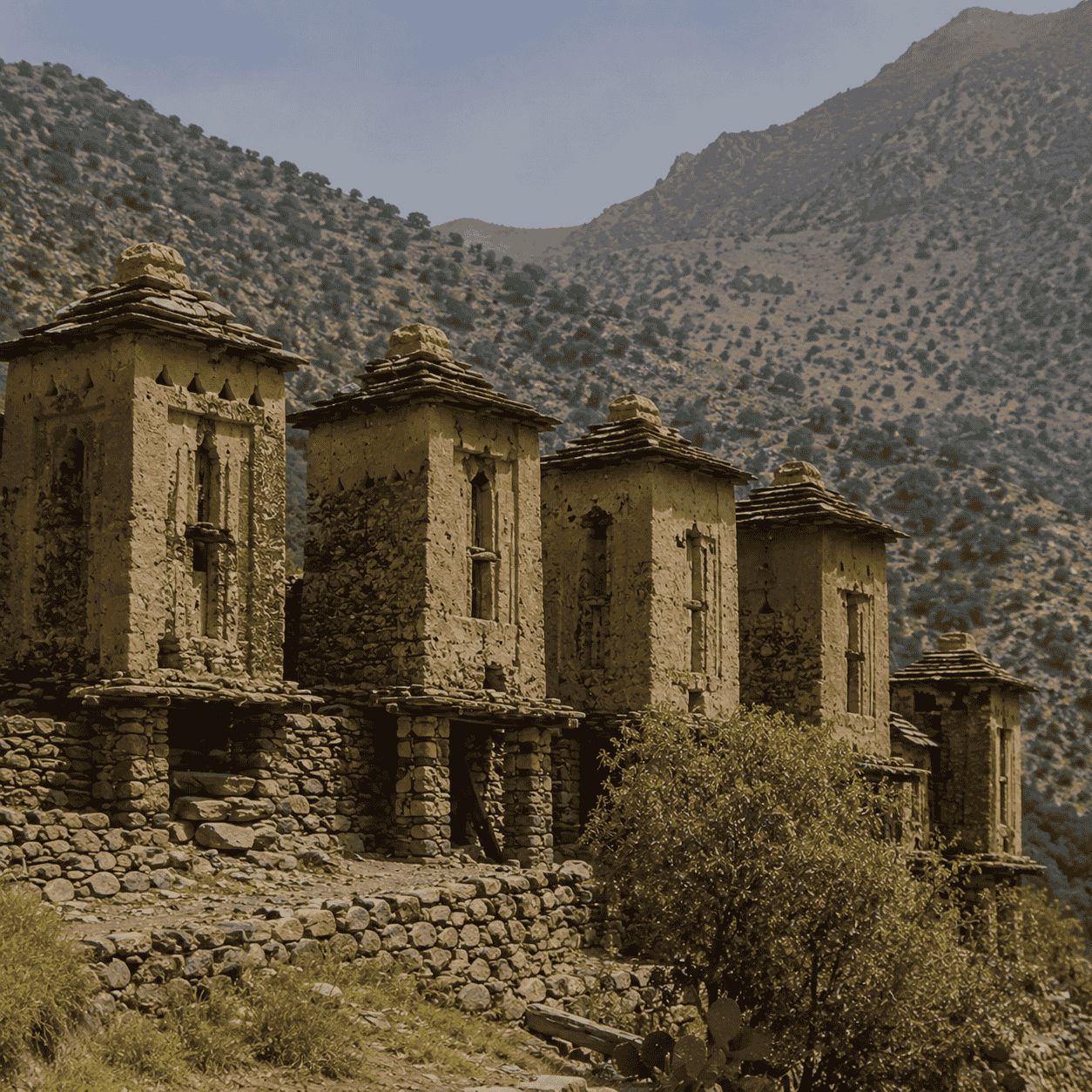
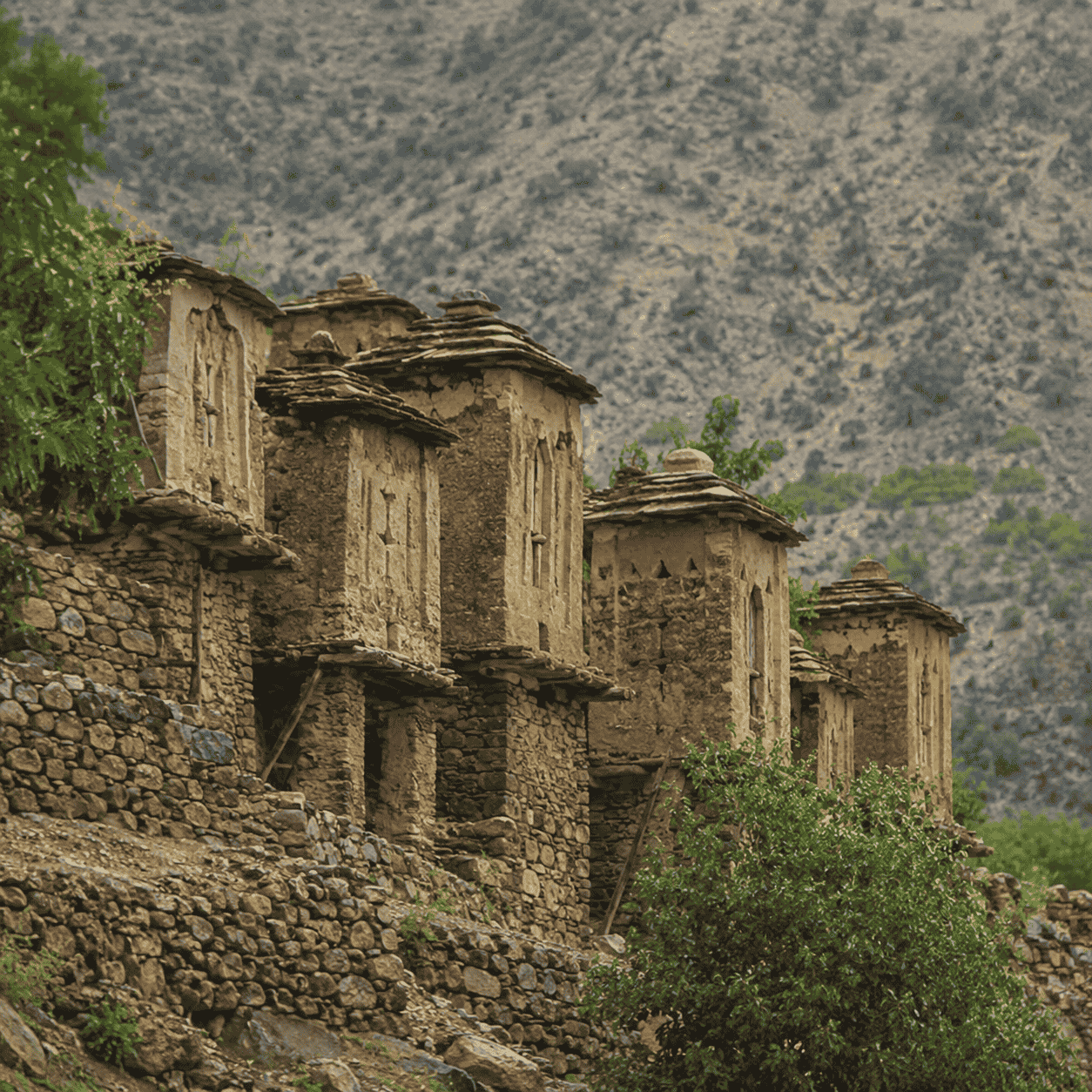
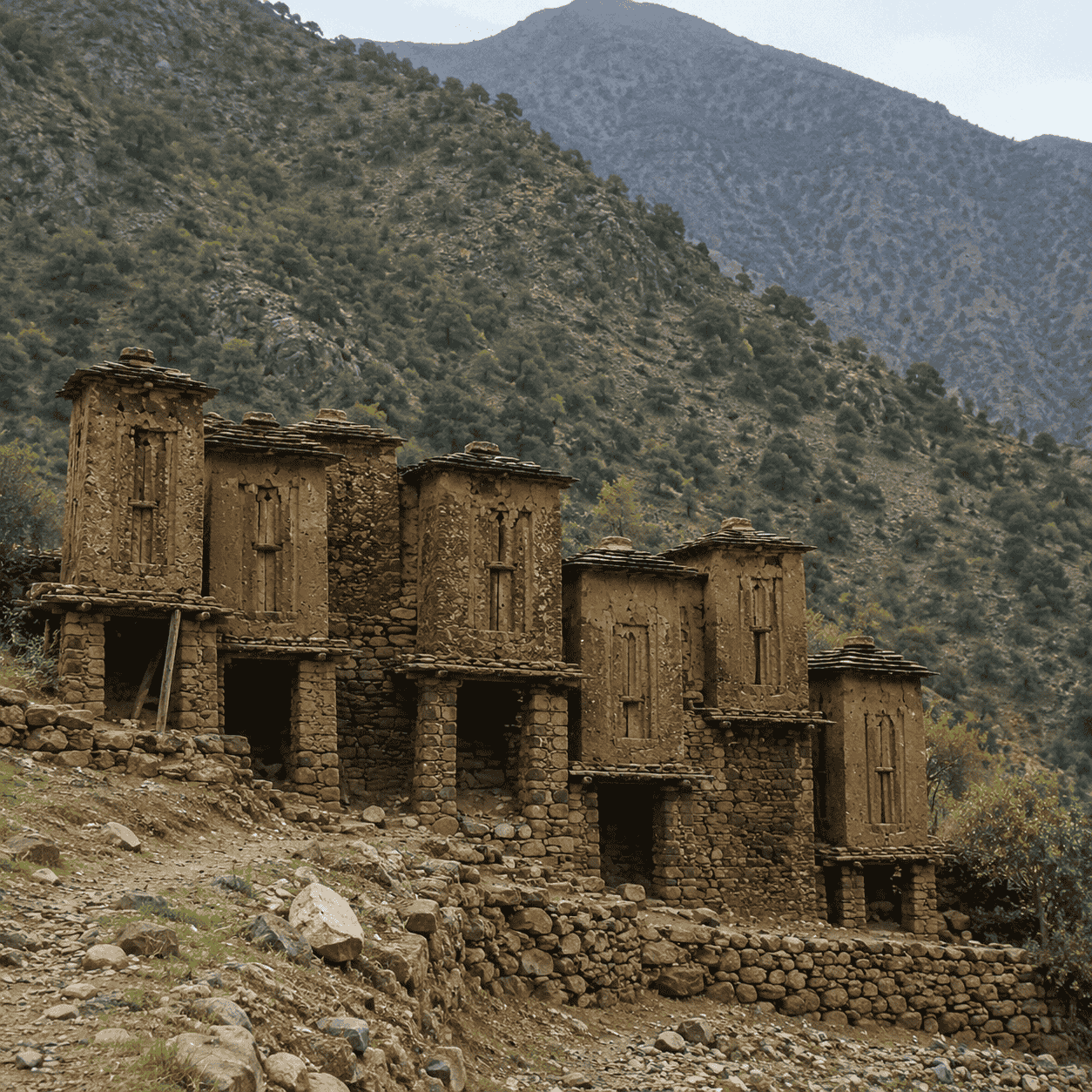
Across Morocco’s southern and mountainous regions, stone structures sit quietly on cliffs, ridges, and remote hillsides. At first glance they look like abandoned fortresses. In reality, they are one of the most sophisticated traditional systems of collective survival ever built in North Africa.
These structures are known as Igoudar, Amazigh communal granaries designed to store food, protect valuables, and stabilize entire communities during times of hardship. For centuries, they functioned as both storage facilities and social institutions, shaping how villages organized resources, trust, and cooperation.
Amazigh granaries in Morocco represent a system where architecture and community governance worked together to ensure survival in harsh and unpredictable environments.
What Are Amazigh Granaries (Igoudar)?
Igoudar (singular: Agadir) are fortified communal storage buildings created by Amazigh communities.
They are primarily found in:
- The Anti-Atlas Mountains
- Southern Morocco
- Remote highland villages
Unlike individual storage systems, Igoudar were shared among multiple families or entire villages.
Each household deposited part of its harvest into the granary. In return, all members of the community gained access to stored resources during droughts, conflict, or poor harvest seasons.
This collective system transformed the granary into a form of traditional economic infrastructure.
Why They Were Built
Life in Morocco’s arid and mountainous regions has always been shaped by uncertainty.
Communities faced recurring challenges such as:
- Irregular rainfall
- Crop failure
- Long drought cycles
- Limited trade access
- Regional conflicts
In response, Amazigh societies developed cooperative systems rather than isolated household survival strategies.
The granary system ensured that no single family was left without resources during crises. It reduced inequality and strengthened long-term resilience.
Igoudar became essential to survival in regions where environmental conditions could change rapidly.
Architecture of Protection
Amazigh granaries in Morocco were built with a clear priority: security.
Their architecture reflects both practical engineering and environmental adaptation.
Strategic Positioning
Most Igoudar are located in:
- Elevated hilltops
- Rocky cliffs
- Naturally defensible terrain
These positions provided visibility and reduced vulnerability to raids.
Defensive Structure
Typical architectural features include:
- Thick dry-stone walls
- Limited entry points
- Narrow passageways
- Controlled access doors
- Defensive enclosures
Some granaries resemble small fortified villages integrated into the landscape.
Internal Storage Design
Inside, the structure is divided into individual storage units.
Each family was assigned specific compartments, often identified through markings or symbolic designs.
These compartments stored:
- Cereals such as wheat and barley
- Olive oil
- Dried food reserves
- Seeds for future planting
- Valuable personal items
The system ensured both organization and accountability.
How the System Worked
The Igoudar system was not only architectural but deeply social.
Collective Contribution
Families contributed a portion of their harvest to the communal granary.
This contribution functioned as a form of shared security.
Community Custodians
Access was managed by appointed guardians responsible for:
- Opening and closing the granary
- Monitoring stored goods
- Recording deposits and withdrawals
- Ensuring fair distribution
These roles were based on trust and community agreement rather than external authority.
Emergency Redistribution
During droughts or crises, stored supplies were distributed to families in need.
This created a safety net long before modern financial or governmental support systems existed.
Social Function Beyond Storage
Igoudar were not only economic tools. They played a central role in Amazigh social organization.
They reinforced:
- Cooperation over individual survival
- Mutual responsibility
- Long-term planning
- Community trust
The granary system reduced the risk of famine while strengthening social cohesion.
In many regions, the rules governing Igoudar were as important as the buildings themselves.
Cultural Meaning and Amazigh Identity
Amazigh granaries also carry symbolic meaning.
They represent:
- Collective resilience
- Shared heritage
- Adaptation to environment
- Indigenous knowledge systems
These structures reflect a worldview where survival depended on cooperation and balance with nature rather than individual accumulation.
Today, they remain powerful symbols of Amazigh cultural identity in Morocco.
Why They Matter Today
Although modern storage systems and markets have replaced most traditional functions, Igoudar remain significant.
They are important because they:
- Preserve indigenous architectural knowledge
- Demonstrate sustainable resource management
- Reflect historical social systems
- Attract cultural and heritage tourism
Some granaries are still maintained as heritage sites and studied by researchers interested in pre-modern governance systems.
Visiting Amazigh Granaries in Morocco
Several regions in southern Morocco still contain well-preserved examples of Igoudar.
Visitors can often see:
- Stone-built granary complexes
- Mountain-top fortifications
- Traditional Amazigh villages nearby
- Ancient storage compartments carved into rock
These sites are typically located off main tourist routes, offering a quieter and more authentic cultural experience.
FAQ
What does Igoudar mean?
Igoudar is the plural form of Agadir, an Amazigh term referring to fortified communal granaries used for storing food and valuables.
Where are Amazigh granaries found in Morocco?
They are mainly located in the Anti-Atlas Mountains and other remote southern and mountainous regions.
What was stored in Igoudar?
Communities stored grain, olive oil, seeds, dried food, and sometimes valuables or important documents.
Who controlled the granaries?
Trusted community members acted as custodians responsible for managing access and distribution.
Why were collective granaries important?
They ensured food security, reduced inequality, and protected communities during droughts or crises.
Are Igoudar still used today?
Most are no longer used for storage but remain important cultural heritage sites.
Can tourists visit Amazigh granaries?
Yes, many can be visited in southern Morocco, often as part of cultural or heritage tours.
Amazigh granaries in Morocco are more than ancient storage buildings. They represent a sophisticated system of collective survival built on trust, cooperation, and environmental adaptation.
Long before modern institutions existed, communities in Morocco developed their own form of economic resilience through architecture and shared responsibility.
Today, Igoudar stand as enduring symbols of Amazigh ingenuity and cultural identity, preserved in stone across the mountains of Morocco.